
Discreet Post‑Circumcision Recovery: Privacy, Mobility & Time‑Saving Comfort


The Invisible Recovery Guide: Privacy, Discretion & Getting Back to Life
Many adults and youth want their recovery to remain private — especially when returning to work, school, or shared spaces. Procedures involving the foreskin or frenulum can create temporary sensitivity that makes regular clothing difficult, and traditional recovery gear often draws more attention than it prevents. This section focuses on visibility, privacy, and the practical realities of moving through your day without feeling exposed or self‑conscious.
The Real Problem: Visibility
Traditional rigid plastic cups were designed with protection in mind, not discretion. They create a visible outline under clothing, sit awkwardly against the body, and force a stiff, unnatural gait. Instead of helping you blend in, they often do the opposite — amplifying attention at the exact moment you want privacy.
- Bulky silhouette: Rigid cups create a noticeable bulge that is impossible to hide under normal clothing.
- Awkward movement: They don’t move with the body, forcing a stiff, “penguin walk.”
- Unwanted attention: Instead of reducing visibility, they often draw more eyes.
- Minimal comfort: Hard edges and pressure points make daily movement difficult.
- Zero discretion: The gear itself becomes a signal that something is going on.
The Social Stealth Comparison
A discreet recovery setup should protect your comfort without broadcasting your situation. Below is a simple comparison between traditional rigid cups and modern low‑profile nonfriction underwear.
| Feature | Rigid Plastic Cup | Low-Profile Nonfriction Underwear |
|---|---|---|
| Silhouette under clothing | Noticeable bulge | Invisible under regular pants |
| Movement | Stiff, awkward gait | Natural walking, no “penguin shuffle” |
| Comfort | Hard edges, pressure points | Soft, friction‑minimizing interior |
| Practicality | Must be positioned, adjusted | Slips on like regular underwear |
| Social impact | Announces recovery | Protects privacy |
The Privacy Philosophy
Recovery is personal. You deserve the freedom to decide when — and if — you want to talk about it. Your clothing should never broadcast your medical history, and your recovery gear should support your privacy, not compromise it.
The Testimonial That Says It All
The peace of mind was worth more than the gear itself.”
This is the experience many people want — a recovery that feels private, controlled, and free from unwanted attention. Discretion isn’t just a feature. It’s a form of emotional comfort.
The Catchfords Angle
Catchfords was designed around one core idea: recovery should feel discreet, comfortable, and manageable. The garment supports privacy and mobility.
- Low‑profile comfort: No visible outline under clothing.
- Nonfriction movement: Helps reduce soreness from post-procedure contact.
- Privacy‑first recovery: Nothing about the garment announces your situation.
- Confidence in daily life: Move through your day without feeling self‑conscious.
How Common Is Body Self‑Consciousness Among Men?
Many men report feeling self‑conscious about their bodies in everyday life — even without the added sensitivity of a recent procedure. These estimates reflect commonly cited findings from major body‑image and social‑anxiety surveys.
These percentages are approximate and based on widely reported findings from major body‑image and social‑anxiety surveys. Individual experiences vary.
The Industry Got It Wrong
What they call “support”: Friction, Pain, and Embarrassment.

Stiff cotton. Rigid seams. A hard plastic cup that jabs the glans when it’s most sensitive. Every step becomes a wince. Every mirror check, a reminder that recovery wasn’t considered.
- ❌ No Textile Safety
- ❌ No Functional Support
- ❌ No Relief by Design

Time, Mobility & Getting Back to Life
Many people search for clear answers about downtime after circumcision or other foreskin and frenulum procedures — especially professionals with limited PTO, students who can’t miss school, and parents managing busy routines. The truth is that recovery isn’t just “time off.” It’s often non‑functional time: you feel mentally ready to return to life, but hypersensitivity keeps you pinned to the couch. This section explains how mobility changes during the first week, why the “Week 1 Wall” is so disruptive, and how a low‑friction, low‑profile garment can help convert non‑functional time into functional time.
- Recovery isn’t binary: You may feel mentally fine but physically unable to wear normal clothing.
- The Week 1 Wall: Sensitivity spikes when the bandage comes off, making movement difficult.
- Non‑functional time: You’re “off work” not because you’re unwell, but because clothing contact is unbearable.
- Functional ROI: Reducing friction discomfort can help you return to work or school sooner.
- Parents’ angle: Functionality means fewer missed classes, sports, and routines.
- Passive protection: A low‑profile garment supports movement without announcing recovery.
Non‑Functional Time vs Functional Time
Most people assume recovery means “taking time off.” In reality, the biggest barrier isn’t illness — it’s hypersensitivity. You may feel alert, capable, and ready to rejoin your routine, but the moment fabric touches the area, everything stops. This creates a strange limbo: you’re not sick, but you’re not functional.
- You feel mentally ready to return to work or school.
- But clothing contact makes walking, sitting, or sleeping difficult.
- This is the hidden cost of recovery — the days lost to sensitivity, not incapacity.
- A nonfriction garment helps convert that “lost time” into usable time.
The Week 1 Wall
Almost everyone hits the same moment: the bandage comes off, and sensitivity spikes. Regular underwear becomes impossible. Pant seams feel abrupt. Sleep becomes fragmented. Mobility drops to zero. This is the point where people lose the most time — not because they’re unwell, but because their clothing isn’t compatible with healing skin.
- The bandage comes off and the area feels exposed.
- Hypersensitivity makes even soft fabric feel sharp.
- Walking becomes slow and protective.
- Sitting, bending, and sleeping become difficult.
- This is where a nonfriction garment “activates” functionally.
The Cost of Lost Days
Most people plan for a few days of downtime. What they don’t plan for are the unnecessary days — the ones lost not to pain or illness, but to friction sensitivity that makes walking, sitting, or wearing pants impossible. Those days affect: your schedule your momentum your sense of normalcy your ability to return to work or school your emotional bandwidth Reducing friction discomfort can help you rejoin your routine sooner — not because you’re rushing recovery, but because you’re finally able to move comfortably again.
- PTO you didn’t want to use.
- Unpaid leave for hourly or shift‑based roles.
- Lost billable hours for professionals.
- Lost shifts for service and trade workers.
- Vacation days consumed by recovery instead of rest.
- Saving just two days pays for the garment four times over.
Helping Kids & Teens Stay on Track
For parents, the ROI isn’t financial — it’s functional. Missing two weeks of school or sports can disrupt routines, confidence, and social life. Reducing friction discomfort helps kids and teens return to normal activities sooner, without drawing attention to their recovery.
- Fewer missed classes.
- Fewer missed practices or games.
- Less disruption to daily routines.
- More confidence returning to school without visible gear.
- Functionality = normalcy.
The 7‑Day Bridge
There’s a moment when you feel mentally ready to return to your life — but your clothing won’t let you. This is the gap between “bed‑bound” and “back to normal.” A low‑friction, low‑profile garment is designed to bridge that gap by supporting movement during the most sensitive days.
- You feel fine, but clothing contact stops you.
- You want to return to work, school, or routine.
- Your body is ready — your clothing isn’t.
- Catchfords is the bridge between those two realities.
A comfort‑focused garment doesn’t require instructions, adjustments, or explanations. It slips on like regular underwear, stays invisible under clothing, and avoids the rigid silhouette that draws attention. Nothing about it announces your recovery — it simply supports your movement while you heal.
- Slips on like regular underwear.
- No learning curve.
- No adjustments.
- No visible outline.
- No rigid silhouette.
- No “what’s that?” moments.
A Smarter, More Affordable Recovery
Many people end up buying extra underwear, disposable pads, or temporary workarounds during the first week after circumcision. A dedicated NonFriction recovery garment replaces all of that — reducing waste, protecting your regular clothing, and avoiding the cost of constantly improvising.
It also helps make daily movement more manageable, which can make it easier to return to work, school, or normal routines without distraction from friction‑related discomfort. For many people, two or four pairs end up costing less than the alternatives they would have purchased or the productive time lost.

A Note From the Founder
I created this because I found myself stuck at home one week after my procedure, even with prescribed pain medication. I felt fine — clear‑headed and ready to get back to my routine — but I wasn’t healed enough to walk, move, or tolerate contact while wearing clothing. I even tried the “petroleum jelly ritual” hidden in men’s forums. It felt gross, was embarrassing, difficult to clean, time consuming, minimally helpful, and unsanitary. This was a sensitive topic and a sensitive area, and I wanted to heal properly without risking infection. Sleep was still intermittent. I didn’t want to explain to my colleagues why I needed more time off, and it was eating into the vacation days I’d planned for.
That week taught me something important: there’s a gap between “surgery” and “daily life.” A gap where you’re not unwell, but you’re not functional either. Even with what most people would call a “good” recovery, I still wasn’t able to resume normal activity in week two or even week three without support. Nothing I could find made those days easier, more private, or more manageable.
I come from a health‑professional background as a Medical Radiation Technologist, and that training shaped how I approached this problem. I understand anatomy, tissue sensitivity, and how the body responds to pressure and contact. Drawing on my colleagues' real multi-disciplinary medical perspectives, I worked to better understand the practical realities people face during recovery. I used that entire arc of knowledge to specify dimensions, structure, and textile selection — addressing hypersensitivity and discretion without adding bulk or friction.
I built this to fill that gap — to give people a way to move, dress, and live with confidence and dignity during one of the most sensitive post-procedure recoveries, while retaining their privacy and discretion.


How Comfortwear Helps After Circumcision
Sensitivity, swelling, and friction discomfort are common after circumcision — whether someone is a teen or an adult. Regular underwear often has seams, stitching, or fabric textures that rub against exposed tissue. Comfortwear designed with smooth interiors, supportive structure, and low‑friction materials can make daily movement feel safer and more manageable during the first weeks.
Reduces Friction
Soft, non‑abrasive fabrics help prevent rubbing on sensitive areas.
Minimizes irritation during walking, sitting, and bending.
Helps reduce the “sharp” or “zinging” sensations caused by seams.
Useful for school, work, sports, and everyday movement.
Supports & Protects
A gentle, supportive pouch keeps the area from shifting or brushing.
Helps shield exposed tissue from accidental bumps or pressure.
Reduces awareness of swelling during early recovery.
Provides a sense of privacy and security during a sensitive time.
Makes Daily Life Easier
More comfortable for school, commuting, or long workdays.
Helps manage heat, sweat, and stickiness that increase irritation.
Useful during sleep when movement is unpredictable.
Supports confidence during a personal and discreet recovery period.


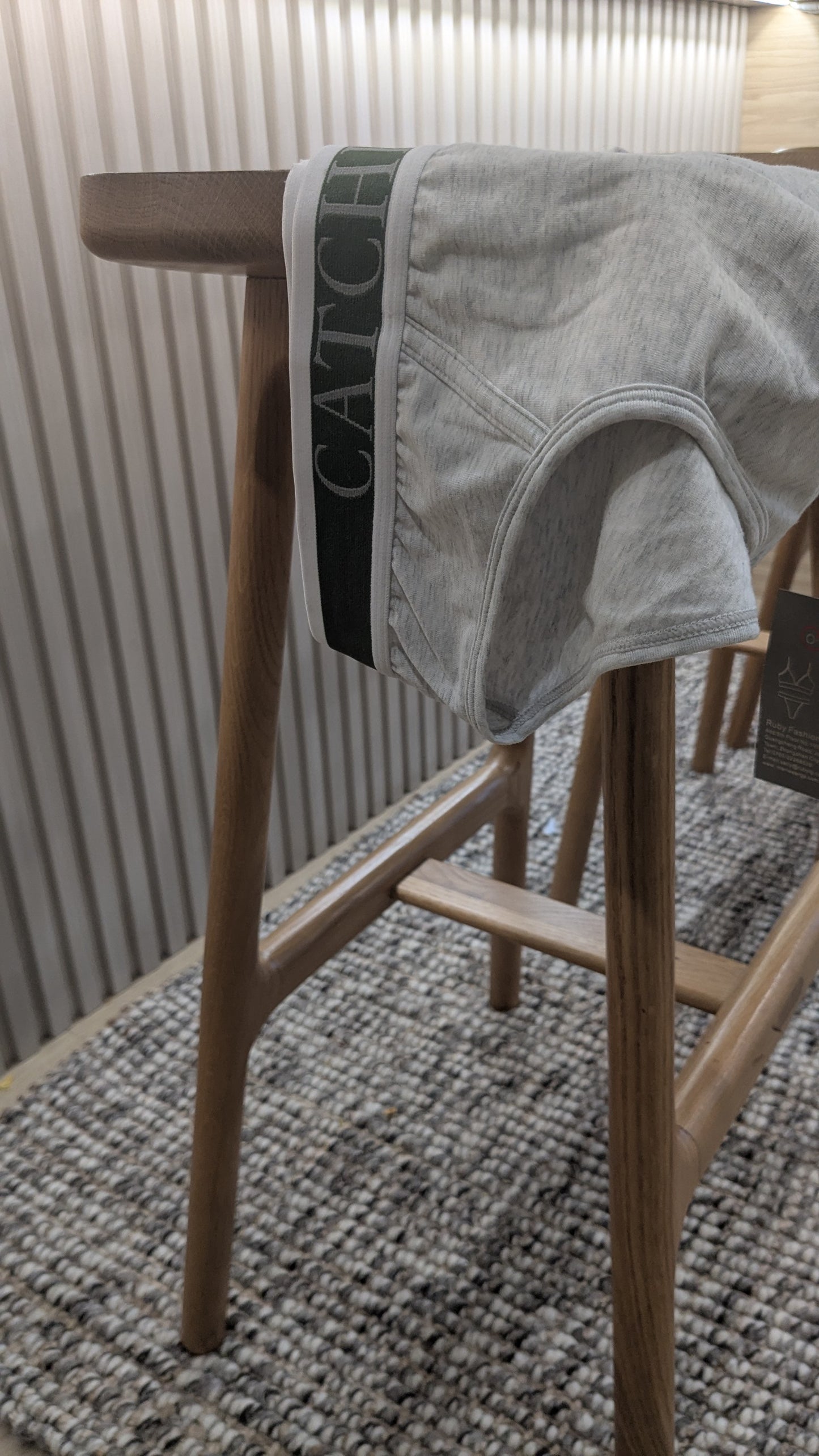
Catchfords exists — to restore dignity when you feel exposed.
Frequently Asked Questions
Related Guides & Helpful Resources
If you’d like to explore related topics, these guides offer clear, youth‑safe explanations.
-

Pubic Hair Irritation and a Zipper Accident: St...
📣 Speaking Up About Silent Discomfort At Catchfords, we believe recovery is more than physical — it’s emotional, personal, and often long overdue. Two men recently shared their stories with...
Pubic Hair Irritation and a Zipper Accident: St...
📣 Speaking Up About Silent Discomfort At Catchfords, we believe recovery is more than physical — it’s emotional, personal, and often long overdue. Two men recently shared their stories with...
-

Frenulectomy vs. Frenuloplasty: Real Experience...
For men dealing with frenulum breve (a short frenulum that restricts foreskin movement), two common surgical options are frenulectomy (removal) and frenuloplasty (lengthening/reconstruction). Circumcision is sometimes suggested, but many prefer to...
Frenulectomy vs. Frenuloplasty: Real Experience...
For men dealing with frenulum breve (a short frenulum that restricts foreskin movement), two common surgical options are frenulectomy (removal) and frenuloplasty (lengthening/reconstruction). Circumcision is sometimes suggested, but many prefer to...
-

I am a Guy Who Just Had a Frenuloplasty...
Three hours out of the hospital and still swollen, I wanted to share my experience with frenuloplasty. Plenty of threads exist already, but here’s my perspective for anyone considering it...
I am a Guy Who Just Had a Frenuloplasty...
Three hours out of the hospital and still swollen, I wanted to share my experience with frenuloplasty. Plenty of threads exist already, but here’s my perspective for anyone considering it...


- Choosing a selection results in a full page refresh.
- Opens in a new window.